
Are budget overruns on a multi-residential project avoidable?
Yes. In most cases, budget overruns are not caused by a single unforeseen event, but by a series of poor decisions made right from the planning phase. An incomplete estimate, fragmented purchasing, a lack of coordination between suppliers or late changes can quickly drive costs up.
For property developers, building managers, general contractors and hotel operators, every delay or extra expense directly reduces the profitability of the project. The good news is that these mistakes can be anticipated through a well-thought-out procurement strategy and rigorous furniture management.
In this article, discover the ten most common mistakes that blow up the budget of a multi-residential project and the best practices for avoiding them.
Why do multi-residential projects go over budget?
A multi-residential project involves many stakeholders, hundreds of products and tight schedules. The later decisions are made, the more costs increase.
The main sources of overruns include:
- poor planning;
- multiple suppliers;
- delivery delays;
- last-minute purchases;
- errors in quantities;
- changes during construction.
Controlling the budget therefore begins long before the first piece of furniture is installed.

1. Underestimating the real furniture requirements
One of the most costly mistakes is drawing up an incomplete list of the equipment needed.
In a residential building, every unit must be considered as a whole:
- bedrooms;
- kitchen;
- the bathroom;
- the common areas;
- the living room furniture;
- the appliances;
- the accessories.
A poor estimate quickly leads to urgent purchases, additional shipping costs and sometimes different products from one unit to the next.
Detailed planning helps avoid these unforeseen expenses while ensuring visual consistency.
2. Buying at the lowest price without considering the total cost
The purchase price is only part of the real cost.
A cheaper product can lead to:
- much longer and more expensive assembly time;
- a shorter service life;
- more repairs;
- frequent replacements;
- lower occupant satisfaction.
Conversely, investing in durable furniture reduces costs over several years.
It is therefore better to assess:
- quality;
- the warranty;
- ease of maintenance;
- the availability of replacement parts;
- the total cost of ownership.
3. Using too many suppliers
Using several suppliers can sometimes look advantageous, but it quickly complicates project management.
- lead times;
- installation conditions;
- shipping costs;
- delivery schedule.
- more coordination;
- a higher risk of errors;
- more complex coordination;
- multiplied logistics costs.
Consolidating purchases with a partner able to supply several product categories often reduces administrative costs and keeps the site running more smoothly.

4. Overlooking procurement lead times
Some items require several weeks, or even several months, of manufacturing.
If these lead times are not anticipated:- the site slows down;
- the teams wait;
- the units cannot be handed over;
- costs increase.
- stock levels;
- manufacturing lead times;
- shipping times;
- alternative options.
5. Changing the project while it is under way
Every late change has financial consequences.
For example:- replacing a model;
- changing dimensions;
- a new finish;
- a change of colours;
- adjustments to the plans.
- new orders;
- shipping charges;
- additional delays;
- wasted materials.
The earlier the choices are confirmed, the more the budget stays under control.
6. Forgetting the hidden costs
Furniture involves far more than its purchase price.
You also need to budget for:- delivery;
- installation;
- storage;
- handling;
- assembly;
These costs are sometimes underestimated even though they can account for a significant share of the overall budget.
A detailed estimate avoids unpleasant surprises.
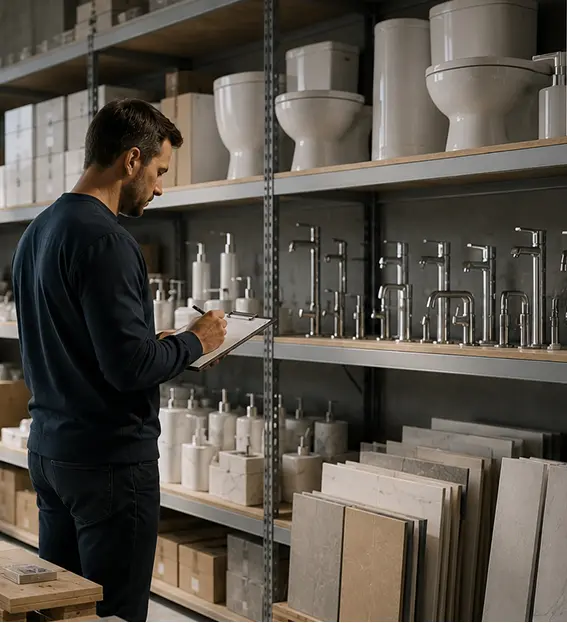
7. Overlooking standardization
Every customized unit increases the complexity of the project.
Standardizing products offers several advantages:- volume orders;
- economies of scale;
- simplified maintenance;
- faster replacement;
- better inventory management.
This approach is particularly effective in rental buildings, student residences and hotel properties.
8. Failing to plan the common areas
Shared spaces represent significant value for occupants.
Entrance lobbies, common rooms, lounge areas and dining rooms must be integrated right from the design phase.
The choice of dining room furniture in particular deserves special attention in order to ensure comfort, durability and consistency with the project as a whole.
Postponing these decisions often leads to rushed purchases and additional costs.
9. Ignoring future needs
A real estate project is designed to last several years.
You therefore need to anticipate:- future replacements;
- the new phases of the project;
- changing needs;
- the availability of collections.
Choosing long-lived ranges makes follow-up purchases easier and limits differences between units.
10. Not adopting a turnkey approach
One of the most common mistakes is managing the following separately:- the furniture;
- the appliances;
- the accessories;
- the decor;
- delivery;
- the installation.
This way of working multiplies the risk of errors and wasted time.
A centralized approach generally delivers:- better budget visibility;
- simplified tracking;
- fewer delays;
- more efficient coordination;
- consistent quality.
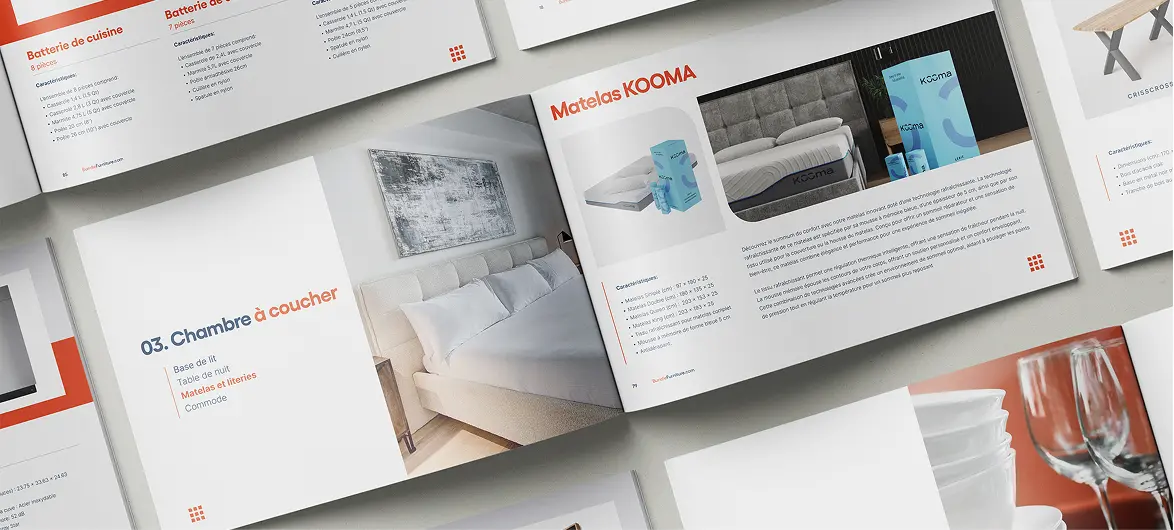
For residential or hospitality projects in Quebec, working with a specialized partner such as Bundle Furniture can simplify procurement through a turnkey solution combining furniture, equipment, delivery and installation.
How can you better control the budget of a multi-residential project?
The best-performing projects share several good practices.
Set a realistic budget
The budget must include:- furniture;
- appliances;
- decor;
- delivery;
- installation;
- contingencies.
A financial reserve makes it possible to absorb price variations.
Standardize purchasing
A limited number of items reduces:
- errors;
- delays;
- replacement costs;
- inventory management.

Plan from the outset
The earlier decisions are made, the greater the savings.
Thorough planning also improves coordination between teams.
Choose durable products
Sturdy furniture is a profitable long-term investment.
The initial cost is often offset by a longer service life.
Comparison: well-planned project vs. poorly prepared project
| Well-planned project | Poorly prepared project |
|---|---|
| Budget under control | Frequent overruns |
| Few suppliers | Multiple stakeholders |
| Deadlines met | Repeated delays |
| Optimized purchasing | Rush orders |
| Coordinated installation | Disorganized work |
| High profitability | Reduced margins |
Why does planning directly influence profitability?
Every dollar saved during procurement improves the final profitability of the project.
Conversely:- Delays increase financing costs;
- Rush purchases cost more;
- Ordering errors require expensive corrections.
A structured purchasing strategy therefore becomes a genuine financial lever.
FAQ
What are the main causes of budget overruns?
The most common causes are poor planning, changes during construction, procurement lead times and using too many suppliers.
How can you reduce the costs of a multi-residential project?
By planning purchases in advance, standardizing the furniture, consolidating orders and anticipating delivery lead times.
Why choose durable furniture?
Because it reduces maintenance costs, limits replacements and improves occupant satisfaction over the long term.
Is it better to work with a single supplier?
Yes. It simplifies coordination, reduces logistics costs and improves adherence to schedules.
How can you avoid last-minute purchases?
By drawing up a complete list of requirements right from the design phase and confirming orders early enough.
Should common areas be budgeted for from the start?
Absolutely. Including them right from the planning stage avoids unforeseen expenses and ensures consistency across the whole project.
Conclusion
The success of a multi-residential project rests as much on the quality of the construction as on controlling the costs tied to procurement and furnishing. By avoiding these ten common mistakes, developers, property managers and contractors can reduce budget overruns, meet their schedules and improve the profitability of their investments.
Planning a new residential or hospitality project? Take a strategic approach to furnishing right from the start so as to save time, better control your costs and hand over spaces that are ready to welcome their occupants.