
Can procurement costs really be reduced without sacrificing quality?
Yes. Contrary to a widespread belief, reducing procurement costs does not mean buying the cheapest products. The companies that succeed with their real estate projects instead optimize their purchasing strategy, select reliable suppliers, standardize their equipment and plan their orders in advance. This approach lowers overall spending while maintaining a high level of quality.
For property developers, property managers, general contractors, hotel operators and commercial building owners, every procurement decision directly influences the profitability of the project. Poor purchasing management can lead to delays, hidden costs and premature replacements, whereas a well-structured strategy fosters lasting savings.
In this article, discover the best practices for reducing procurement costs without compromising the quality of equipment, furniture and installations.
Why do procurement costs rise?
Budget overruns rarely stem from a single factor. They are often the result of several accumulated mistakes.
The most common causes are:- orders placed at short notice;
- several different suppliers;
- poor planning;
- purchases in small quantities;
- low-quality products that need replacing quickly;
- multiple delivery and assembly charges.
- By identifying these sources of spending, it becomes easier to act effectively.
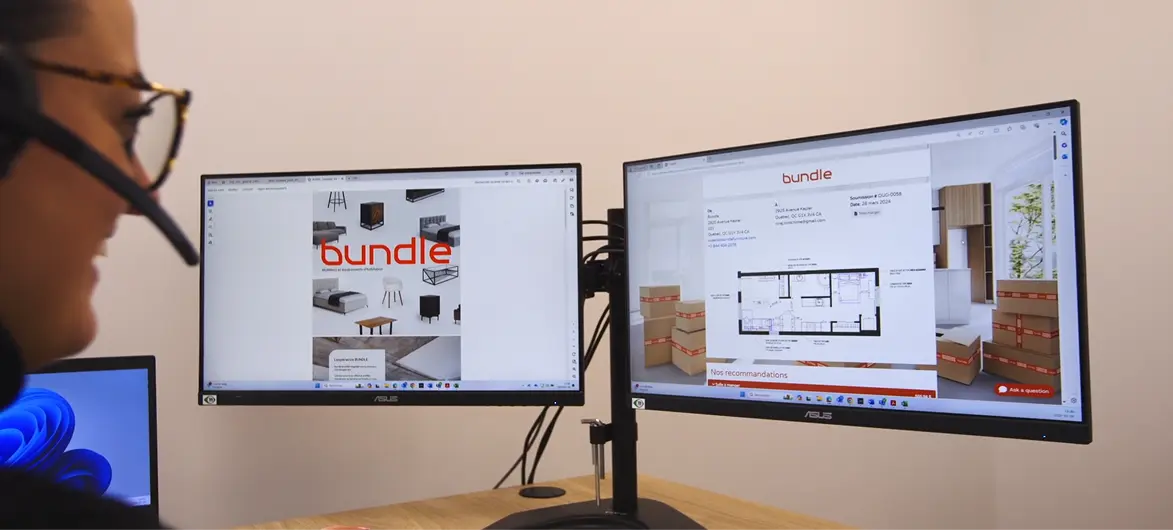
How does good planning generate savings?
Planning is the primary lever for optimizing costs.
When a project is prepared early enough, teams have the time they need to:- consolidate purchases with a single supplier to benefit from economies of scale;
- compare suppliers;
- negotiate prices;
- plan exact quantities;
- avoid last-minute purchases.
Rigorous planning limits surprises and improves profitability.
Why choose quality over the lowest price?
The purchase price represents only part of the total cost.
A cheaper product can lead to:- frequent repairs;
- a reduced service life;
- more complaints from occupants;
- higher replacement costs.
- greater durability;
- less maintenance;
- an extended service life;
- higher long-term value.
The goal is therefore not to spend less today, but to reduce costs over several years.
How can purchases be consolidated to save more?
Fragmented purchasing increases logistics costs.
Ordering from several suppliers often means:- several shipments;
- several lead times;
- several invoices;
- more coordination.
- economies of scale;
- better negotiating power;
- simplified management;
- more effective tracking.
This strategy is particularly worthwhile for residential, hospitality and multi-residential projects.
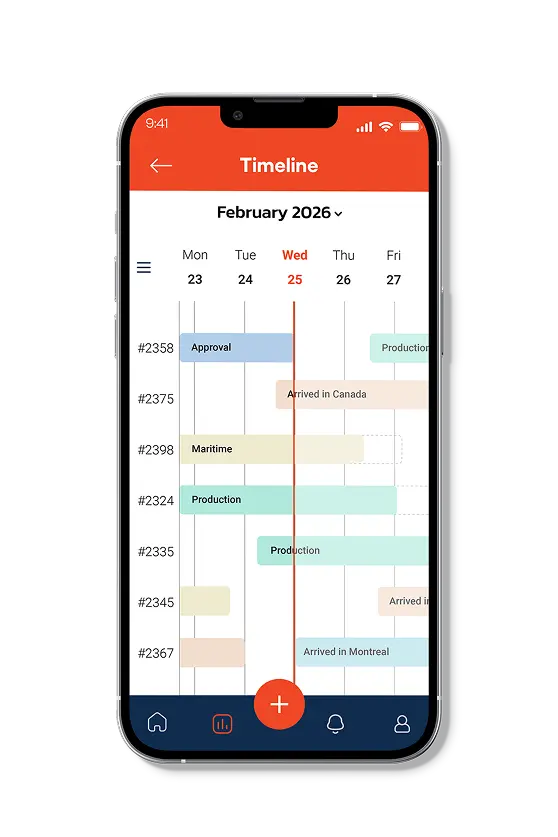
Are single suppliers more cost-effective?
In many cases, yes.
A supplier able to offer several product categories makes the project easier to manage.
The advantages include:- a single point of contact;
- better coordination;
- fewer delivery errors;
- simplified invoicing;
- better-controlled lead times.
This approach also reduces the time spent administering purchases.
Why standardize equipment?
Standardization limits costs throughout the building's life cycle.
When several units use the same items, it becomes simpler to:- replace a product;
- manage inventory;
- train the maintenance teams;
- order additional parts.
Large-scale projects benefit particularly from this strategy.
How can hidden costs be avoided?
Standardization limits costs throughout the building's life cycle.
When several units use the same items, it becomes simpler to:- replace a product;
- manage inventory;
- train the maintenance teams;
- order additional parts.
Large-scale projects benefit particularly from this strategy.
How can hidden costs be avoided?
The cost of a product is not limited to its list price.
You also need to consider:- transport;
- handling;
- installation;
- storage;
- returns;
- warranties;
- maintenance.
A total cost of ownership analysis leads to more profitable decisions.

Why do lead times influence the budget?
Every week of delay can generate additional costs.
For example:- extending the teams;
- contractual penalties;
- loss of rental income;
- work stoppage on site.
Choosing suppliers able to meet schedules is therefore essential to protect the profitability of the project.
How can you negotiate effectively with suppliers?
The best prices are not always obtained by simply asking for a discount.
The best-performing companies negotiate:- volumes;
- sea freight;
- lead times;
- payment terms;
- warranties;
- installation services;
- delivery costs.
A lasting relationship with a supplier can generate more savings than a one-off negotiation.
Comparison: traditional strategy vs. optimized strategy
| Traditional procurement | Optimized procurement |
|---|---|
| Several suppliers | Primary supplier |
| Rush purchases | Advance planning |
| Price only | Total cost of ownership |
| Variable lead times | Controlled schedule |
| Disorganized inventory | Standardization |
| Complex coordination | Simplified management |
Can savings improve quality?
Absolutely.
A better procurement strategy makes it possible to:- invest in more durable products;
- reduce administrative costs;
- lower logistics charges;
- limit replacements.
The savings achieved come from how the project is organized rather than from a drop in quality.
Why is a turnkey approach advantageous?
Real estate projects require significant coordination between furniture, equipment and accessories.
Working with a partner able to manage several product categories simplifies:- purchasing;
- logistics;
- deliveries;
- installation;
- tracking.
For property developers and property managers in Quebec, Bundle Furniture offers a turnkey approach combining furniture, residential and commercial equipment, delivery and installation in order to optimize costs and simplify project management.
How can procurement costs be reduced for the long term?

The best-performing companies apply several simple principles:
- plan early;
- buy in volume to benefit from significant discounts;
- standardize equipment;
- select reliable suppliers;
- analyse the total cost rather than the unit price;
- anticipate lead times;
- favour lasting quality.
These practices improve profitability without compromising the performance of the project.


FAQ
How can procurement costs be reduced quickly?
The best approach is to plan purchases, consolidate orders and work with a limited number of suppliers.
Why avoid last-minute purchases?
They often lead to higher prices, additional shipping charges and longer lead times.
Does quality always cost more?
No. A durable product is often more economical across its whole life cycle thanks to reduced maintenance and a longer period of use.
Why standardize products?
Standardization makes purchasing easier, reduces replacement costs and simplifies inventory management.
How do you choose a good supplier?
You need to assess product quality, lead times, after-sales service, delivery capacity and overall reliability.
What hidden costs should you watch for?
Transport, installation, storage, warranties, maintenance and returns must all be factored into the budget.
Conclusion
Reducing procurement costs is not about choosing the cheapest products, but about adopting an overall strategy that combines planning, standardization, smart purchasing and the selection of reliable partners. Property developers, building managers and hotel operators who optimize their supply chain improve not only their profitability, but also the quality and durability of their projects.
Preparing a residential, commercial or hospitality project? Put an effective procurement strategy in place today so as to reduce your costs, meet your schedules and guarantee a lasting result.